
Raja Ampat Photography Yacht Specialist Vessels
As Ahmad Rizali, an IYBA member and a yacht broker with over a decade of experience in the Indonesian phinisi market, I understand the discerning requirements of those who seek to capture the unparalleled beauty of Raja Ampat. For photographers, whether amateur enthusiasts or seasoned professionals, the standard charter vessel, while comfortable, often falls short of providing the optimal platform for their craft. This guide details the critical attributes and considerations for selecting a dedicated photography yacht in Raja Ampat, ensuring your expedition yields not just memories, but truly exceptional imagery. These specialist vessels are meticulously equipped to support the unique demands of photographic pursuits, from the most intricate macro underwater shots to sweeping aerial vistas, offering a distinct advantage over conventional charters.
The Indispensable Need for a Dedicated Photography Yacht in Raja Ampat
Raja Ampat, a sprawling archipelago nestled in the heart of the Coral Triangle, presents a mosaic of photographic opportunities unmatched anywhere else on Earth. From the kaleidoscopic marine biodiversity beneath its pristine waters to the dramatic karst landscapes emerging from turquoise lagoons, and the endemic avian species adorning its verdant islands, every angle offers a potential masterpiece. However, capturing these moments effectively requires more than just a camera and a keen eye; it demands a purpose-built environment.
The logistical realities of photographing in such a remote and biodiverse region are substantial. Optimal light conditions, the precise positioning for a rare bird sighting, or the serene stability required for intricate macro underwater shots are fleeting. A conventional yacht, designed primarily for leisure and general exploration, simply cannot provide the specialized infrastructure, expansive operational space, or tailored support necessary to consistently meet these demanding photographic parameters.
A dedicated photography yacht, on the other hand, is conceived with these challenges in mind. It offers the stability to steady a long lens in a gentle swell, the generous deck space to set up multiple camera stations simultaneously, and the critical power infrastructure to keep a suite of high-tech equipment operational. Furthermore, these vessels are typically staffed by crews intimately familiar with the unique rhythms of photography, understanding the importance of patience, quiet operation, and precise boat handling. Without such a specialized platform, photographers risk compromising the quality of their work and, crucially, missing those ephemeral moments that define a truly extraordinary photographic journey in Raja Ampat.
Defining Characteristics of a Raja Ampat Photography Specialist Vessel
When considering a vessel for a dedicated photography expedition in Raja Ampat, certain features move from desirable to essential. These characteristics are what distinguish a truly specialist yacht from a general charter.
Optimized Deck Space and Layout
- Unobstructed Views: Upper decks, flybridges, and bow areas must offer clear, panoramic sightlines, free from excessive rigging or superstructure, ideal for landscape, wildlife, and astrophotography.
- Stable Platforms: Generous, flat deck areas are crucial for setting up tripods, long lenses, and even drone launch/landing zones, minimizing vibration and movement.
- Dedicated Workstations: Ample dry tables and benches, often under cover, allow for camera assembly, lens changes, and accessory preparation without impeding general guest movement.
Enhanced Stability and Comfort
- Hull Design: Vessels with wider beams or specific hull forms are inherently more stable, reducing roll and pitch – a critical factor for sharp imagery, particularly with telephoto lenses.
- Stabilization Systems: Modern photography yachts often feature advanced stabilizers (fin stabilizers, gyroscopic stabilizers) that significantly dampen vessel movement, ensuring a smoother ride and steadier shooting platform, both at anchor and underway.
Robust Power and Charging Infrastructure
- Ample Power Outlets: Numerous, easily accessible power sockets (both 220V and sometimes 110V) are non-negotiable for charging multiple camera batteries, laptop workstations, strobes, and other electronic devices simultaneously.
- Reliable Power Supply: High-capacity generators with backup systems ensure continuous power, even during peak usage, preventing costly interruptions to charging cycles or editing work.
- Dedicated Charging Lockers: Secure, often ventilated, lockers or cabinets specifically designed for charging valuable equipment, keeping it organized and protected.
Specialized Facilities for Post-Production
- Dedicated Editing Suite: A quiet, climate-controlled cabin or lounge area with appropriate lighting (often dimmable) serves as an ideal space for reviewing, editing, and backing up images and video footage.
- Ergonomic Workstations: Comfortable seating, ample desk space, and potentially external monitor connections are highly valued by photographers spending hours on post-production.
Seamless Dive and Water Access for Underwater Photographers
- Spacious Dive Deck: A well-organized dive deck with ample room for gear setup, donning wetsuits, and camera preparation is paramount.
- Dedicated Rinse Tanks: Multiple freshwater rinse tanks, specifically for cameras and dive gear, are essential to prevent corrosion and maintain equipment.
- Camera Tables: Large, padded tables on the dive deck or a dedicated wet lab area for assembling and disassembling underwater camera housings.
- Efficient Tender Operations: Tenders that are easily launched and recovered, with stable platforms for divers and camera gear, ensure swift access to dive sites and minimize equipment exposure to rough handling.
Secure Storage and Protection
- Dry Storage: Dedicated, climate-controlled dry storage areas for sensitive camera bodies, lenses, and electronic accessories.
- Secure Lockers: Lockable cabinets or drawers to safely stow valuable equipment when not in use or during transfers.
Underwater Photography Specifics: Beyond the Dive Deck
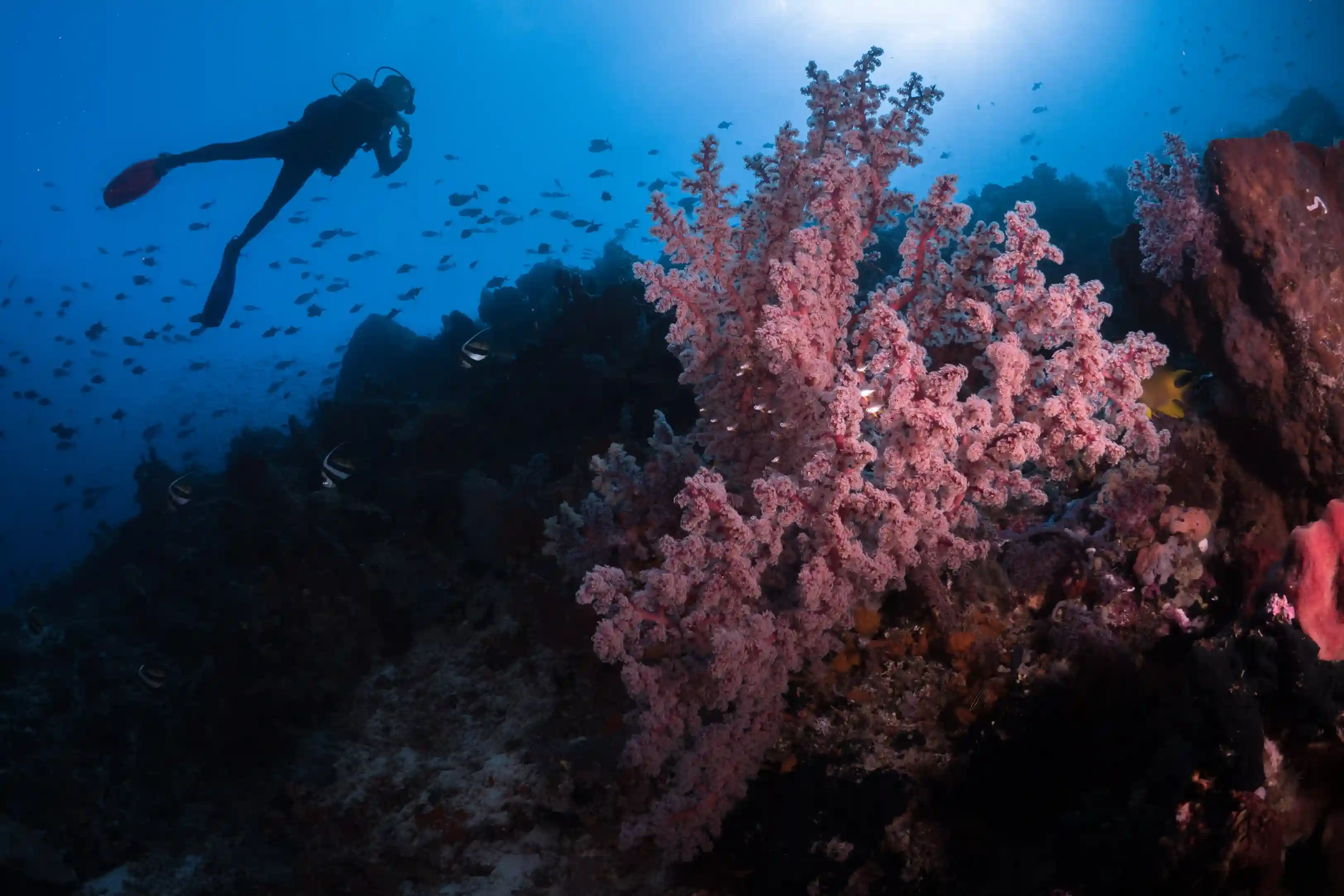
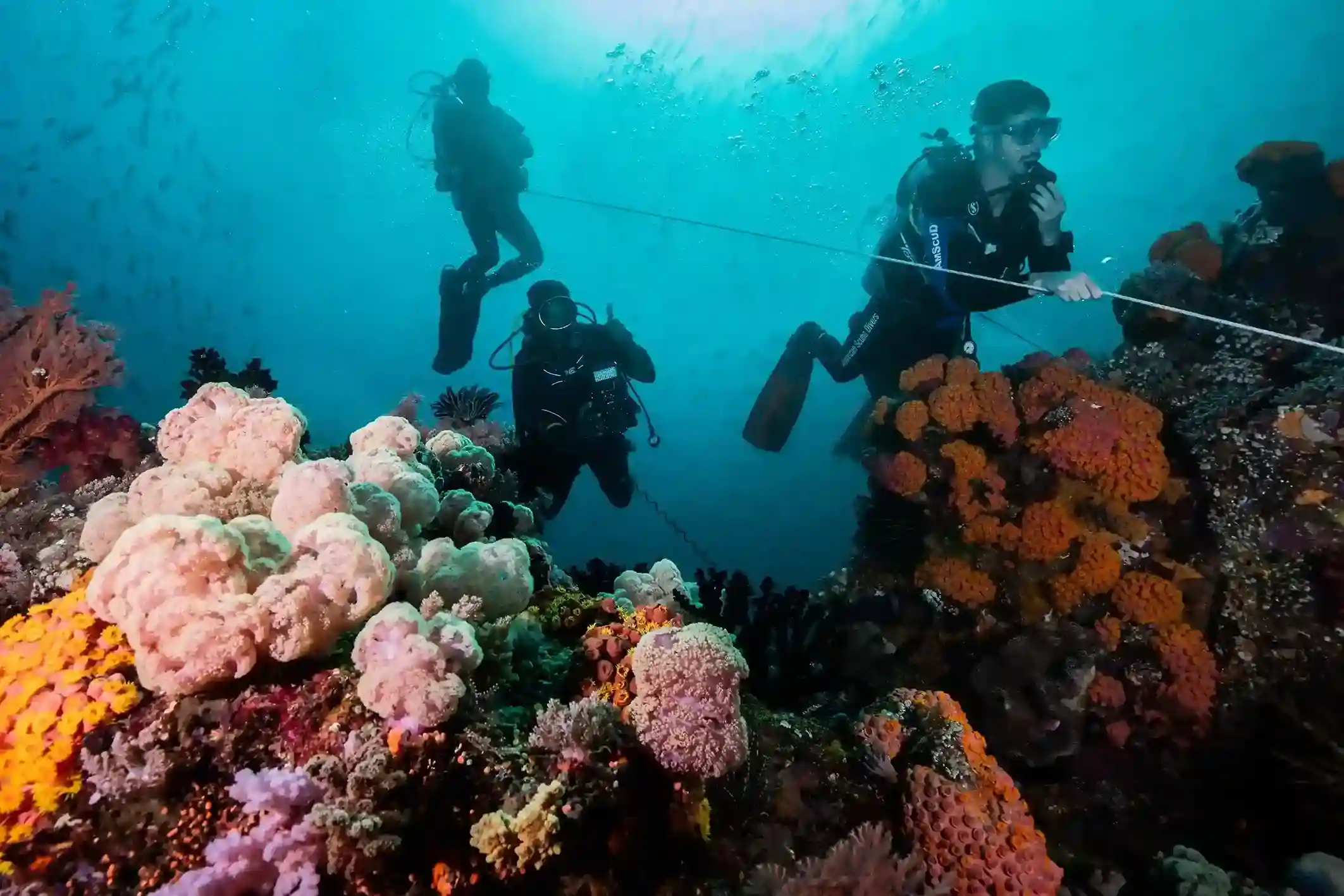
Raja Ampat’s underwater realm is arguably its most famous photographic draw. Capturing its vibrant corals, schooling fish, and elusive critters demands more than just standard dive amenities. A true photography specialist vessel goes significantly further to cater to the unique workflow of underwater photographers.
The dive deck, while a starting point, must be a highly functional workspace. This means not just space, but intelligent design. Picture multiple, large freshwater rinse tanks – one exclusively for cameras and housings, another for general dive gear. This critical separation prevents contamination and protects sensitive optics. Adjacent to these, spacious, padded camera tables are essential for the meticulous assembly and disassembly of underwater camera systems, often a delicate process involving O-rings, ports, and strobes. Good lighting in this area, even for evening prep, is a distinct advantage.
Power is another crucial element. Dedicated charging stations with numerous outlets and robust surge protection are vital for simultaneously recharging multiple camera batteries, strobe packs, video lights, and focus lights. These stations should be situated in a dry, secure area, away from the wet activity of the dive deck.
The tenders, often overlooked, play a pivotal role. They must be stable, offer easy entry and exit for divers fully geared with bulky camera setups, and ideally have padded flooring or secure spots for camera housings during transit to and from dive sites. The tender drivers should be experienced in handling sensitive equipment and positioning the boat precisely for optimal entry and exit, minimizing splash or impact risks.
Finally, the onboard dive guides are not merely navigators; they are essential collaborators. An expert guide for underwater photography understands the nuances of light, subject behavior, and the need for patience. They know how to spot macro subjects, position divers for the best angle without disturbing marine life, and recognize when to hold back to allow for that perfect shot. Their ability to manage dive profiles that accommodate longer bottom times for photographers, while ensuring safety, is invaluable. A high-capacity compressor system is also implied, supporting multiple dives per day without lengthy waits.
Topside & Drone Photography Considerations
While Raja Ampat’s underwater world is legendary, its topside scenery—emerald islands, pristine beaches, and dramatic karsts—provides equally compelling subjects for landscape, wildlife, and aerial photography. A specialist yacht extends its capabilities to these realms.
For landscape and wildlife photographers, an unobstructed flybridge or an expansive upper deck is paramount. These elevated vantage points offer clear lines of sight, crucial for tracking birds in flight or capturing the sprawling vistas of the archipelago. Stability, as mentioned, is key here; even a slight roll can ruin a long-exposure shot or make telephoto work frustratingly difficult. Quiet ship operation, especially when approaching wildlife, ensures minimal disturbance, allowing for more natural and intimate photographic encounters.
Drone photography has become an indispensable tool for capturing Raja Ampat’s breathtaking scale. The yacht must provide a safe, clear, and stable launch and recovery platform, free from rigging or antennae interference. This often means a dedicated area on the upper deck or bow. Furthermore, ample charging facilities for multiple drone batteries are essential, as drone flight times are typically limited, and numerous batteries are needed for extended aerial sessions. Secure, dry storage for drones and their accessories is also a must, protecting them from the marine environment.
The crew’s role extends to topside photography as well. They can assist in spotting wildlife, positioning the vessel for the best light on a particular island formation, or even deploying tenders to access remote viewpoints or beaches ideal for land-based shooting. Their intimate knowledge of the area, including optimal times for sunrise/sunset shots and understanding of local wildlife patterns, significantly enhances the photographic yield. A truly specialist vessel, therefore, considers all facets of photography, providing a comprehensive platform for every visual pursuit.
The Indispensable Role of an Expert Crew & Flexible Itinerary Planning
A sophisticated vessel, however well-equipped, is only as effective as the crew that operates it. For a photography expedition in Raja Ampat, the crew’s expertise and the itinerary’s flexibility are as critical as the yacht’s physical attributes.
An expert crew on a photography specialist yacht is trained to anticipate and support the unique needs of photographers. This goes beyond standard hospitality. It involves captains with an encyclopedic knowledge of Raja Ampat’s most photogenic locations, understanding the subtle shifts in light throughout the day, the best tidal conditions for specific dive sites, and the seasonal behaviors of marine life and birds. They know precisely where to position the vessel for that perfect sunrise shot over a karst island or how to approach a bird-nesting site with minimal disturbance.
The dive guides and tender operators are crucial extensions of this expertise. They understand that a photographer’s dive may be slower, more focused on a single subject, and require patience. They are adept at spotting rare critters, guiding divers to optimal positions for lighting and composition, and ensuring safety during extended periods of focus. On deck, crew members can assist with equipment handling, setting up lights, or acting as spotters for wildlife, allowing the photographer to concentrate on the creative process.
Equally important is the flexibility of the itinerary. Unlike conventional charters that adhere to a rigid schedule, a photography expedition often requires the ability to adapt to conditions. This might mean extending time at a site due to exceptional light, waiting for a specific animal behavior, or altering the route to chase a weather window. The captain and crew must be responsive and willing to adjust plans on the fly, prioritizing photographic opportunities over a fixed schedule. This bespoke approach, tailored to the artistic pursuit, is a hallmark of a truly premium photography charter, ensuring that every opportunity to capture Raja Ampat’s magic is fully realized.
Comparing Phinisi vs. Modern Motor Yachts for Photography
When considering Raja Ampat yachts for a photography expedition, prospective clients often weigh the merits of the traditional Indonesian phinisi against the capabilities of modern motor yachts. Both offer distinct advantages and, depending on the specific photographic focus and aesthetic preference, one may be more suitable than the other.
The Phinisi: A Blend of Tradition and Functionality
The phinisi, with its iconic wooden hull and towering sails, offers an undeniable charm and an authentic Indonesian maritime experience. For photographers, particularly those interested in capturing the essence of the region’s culture alongside its natural beauty, a phinisi can be a compelling choice.
- Spacious Decks: Phinisis are renowned for their expansive deck space, particularly on the bow and stern. These large, uncluttered areas provide excellent platforms for setting up tripods, long lenses, and observing wildlife, often with panoramic views.
- Stability: The broad beam and deep draft of many phinisis contribute to their inherent stability, which is beneficial for steady shooting, especially in calm to moderate seas.
- Aesthetic Appeal: The vessel itself can be a photographic subject, lending a distinct character to the overall experience and imagery.
- Quiet Operation: When sailing, phinisis offer a remarkably quiet experience, ideal for wildlife photography where engine noise can be disruptive.
However, phinisis may have limitations in terms of speed, which can impact the ability to quickly reposition for changing light or subject matter. While many modern phinisis are equipped with sophisticated navigation and stabilization technology, their traditional design might mean slightly less cutting-edge amenities compared to purpose-built motor yachts.
Modern Motor Yachts: Precision and Performance
Modern motor yachts, particularly those designed for expedition or luxury charter, bring a different set of advantages to photography in Raja Ampat.
- Advanced Stabilization: Many contemporary motor yachts feature state-of-the-art active stabilization systems that significantly reduce roll, providing an exceptionally stable platform for photography, even in choppier conditions.
- Speed and Agility: Their higher cruising speeds allow for quicker transit between locations, maximizing time at prime photographic spots and enabling rapid repositioning to chase light or specific wildlife.
- Integrated Technology: Motor yachts often boast integrated systems for power, communication, and navigation that can be seamlessly adapted to photography needs, including dedicated charging stations and robust Wi-Fi for immediate data transfer.
- Climate Control: Interior spaces, including dedicated editing suites, are typically more consistently climate-controlled, protecting sensitive equipment and providing comfortable working conditions.
The primary trade-off with motor yachts might be their potentially smaller or more segmented deck spaces compared to a phinisi, and their operational noise, though modern vessels are often very well insulated. Ultimately, the choice between a phinisi and a motor yacht for Raja Ampat yachts hinges on a balance between the desired aesthetic, the specific photographic focus, and the importance of speed versus traditional charm.
Essential Features for Photography Yachts
| Feature | Description/Benefit for Photography | Importance Rating |
|---|---|---|
| Expansive Deck Space | Unobstructed areas for tripods, drone launch, multiple camera setups. | Critical |
| Enhanced Stability | Minimizes vessel movement for sharp images, especially with telephoto lenses or macro. | Critical |
| Robust Power Infrastructure | Numerous, reliable outlets for charging batteries, laptops, strobes, and lights. | Critical |
| Dedicated Camera Rinse Tanks | Separate, freshwater tanks for cleaning sensitive underwater camera housings. | Critical |
| Padded Camera Tables | Secure, stable surfaces for assembling/disassembling camera gear on dive deck. | High |
| Climate-Controlled Editing Suite | Quiet, comfortable space for post-production, data backup, and equipment protection. | High |
| Camera-Friendly Tenders | Stable, easy-access tenders with secure storage for delicate camera equipment. | High |
| Quiet Operation | Minimizes disturbance to wildlife and allows for focused shooting. | Medium |
| Secure Dry Storage | Protected areas for sensitive equipment when not in use. | Medium |
Phinisi vs. Motor Yacht for Photography: A Comparative View
| Category | Phinisi (Pros / Cons) | Modern Motor Yacht (Pros / Cons) |
|---|---|---|
| Aesthetic & Charm | (+) Authentic, traditional Indonesian feel, photogenic vessel itself. (-) May not appeal to those seeking purely modern luxury. |
(+) Sleek, modern design, often high-tech appearance. (-) Lacks traditional charm, may feel less “local”. |
| Deck Space & Layout | (+) Often features very large, open, uncluttered decks (bow/stern). (-) May have more rigging, less shaded areas. |
(+) Can have dedicated, well-appointed viewing platforms (flybridge). (-) Deck space might be more segmented or smaller overall. |
| Stability | (+) Broad beam and deep draft contribute to inherent stability. (-) Less common to have advanced active stabilizers. |
(+) Often equipped with advanced active stabilization systems (fins/gyros). (-) Can have a higher center of gravity if less beam. |
| Speed & Agility | (+) Can sail quietly, enhancing wildlife encounters. (-) Generally slower transit speeds, limiting rapid repositioning. |
(+) Higher cruising speeds, allowing quick repositioning and coverage. (-) Engine noise can be a factor, though modern vessels are quiet. |
| Technology & Amenities | (+) Modern phinisis can have excellent power/charging. (-) May have fewer integrated high-tech features compared to modern yachts. |
(+) State-of-the-art navigation, communication, and power systems. (-) Can sometimes feel less “rugged” or natural. |