
Raja Ampat Yachts — Phinisi Charter & Liveaboard Directory
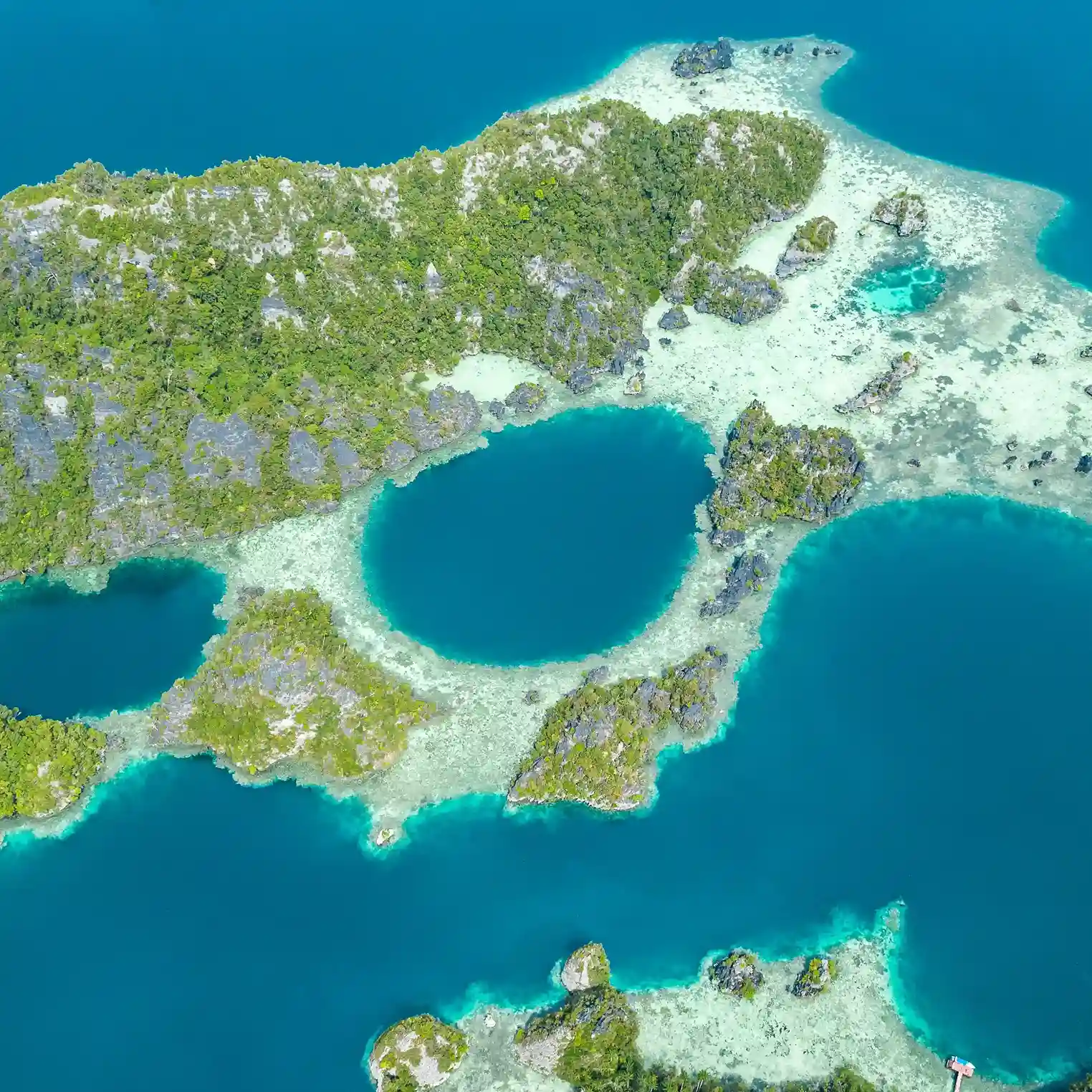
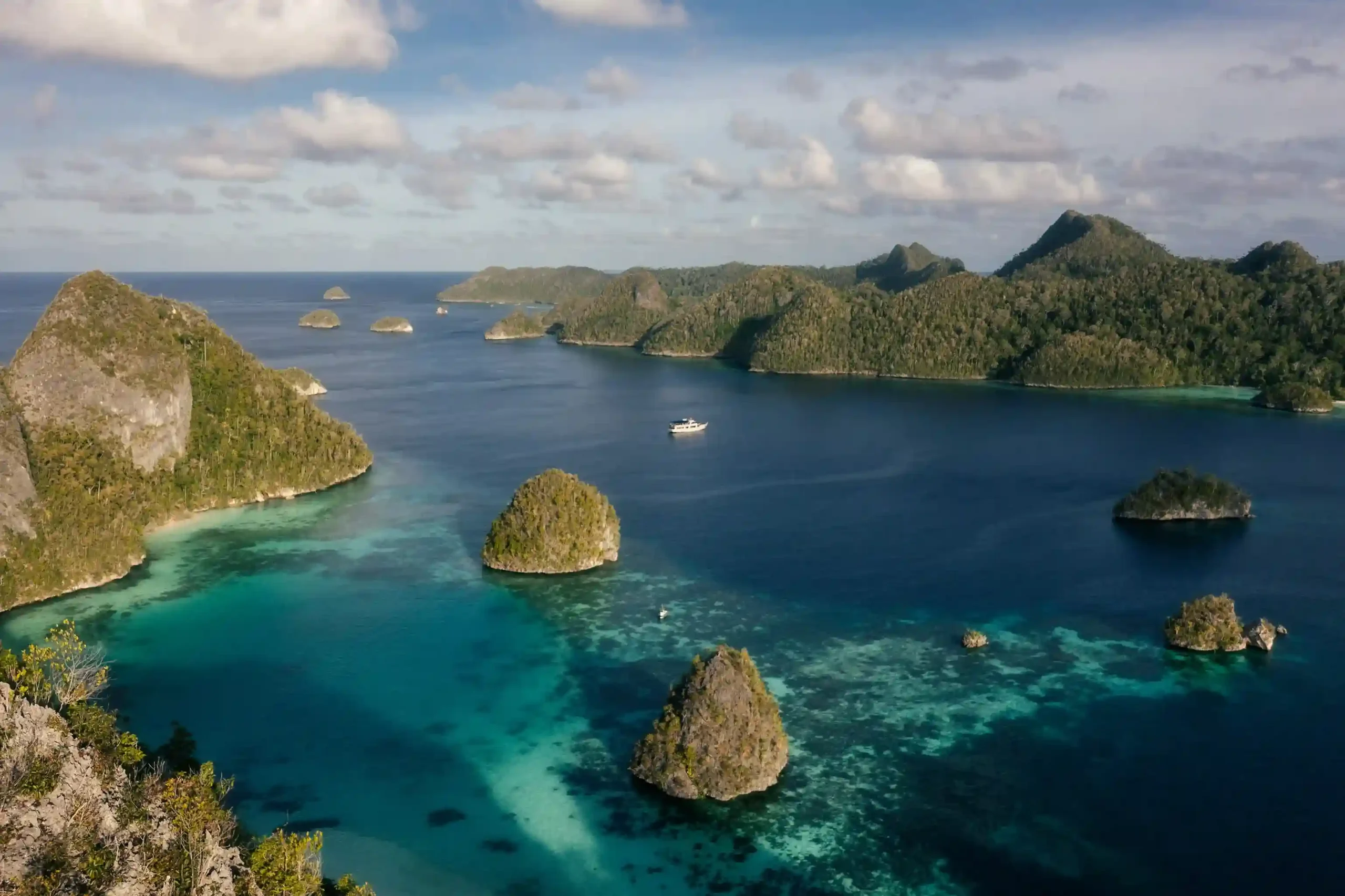
The market for raja ampat yachts has matured significantly by May 2026, shifting from a niche liveaboard segment to a distinct luxury charter sector. Operators report a 15% year-over-year increase in private yacht bookings since 2024, with demand for vessels exceeding 35 meters now representing 40% of inquiries. “Clients are not just seeking dive trips; they want bespoke expeditions with a dedicated crew, gourmet dining, and advanced exploration capabilities,” states Mr. Anton Wijaya, CEO of Nusantara Marine Charters, based in Sorong. The region, known as the Four Kings, continues to solidify its position as one of the most biodiverse marine environments globally, attracting discerning travelers seeking privacy and ecological immersion.
What raja ampat yachts actually means in 2026
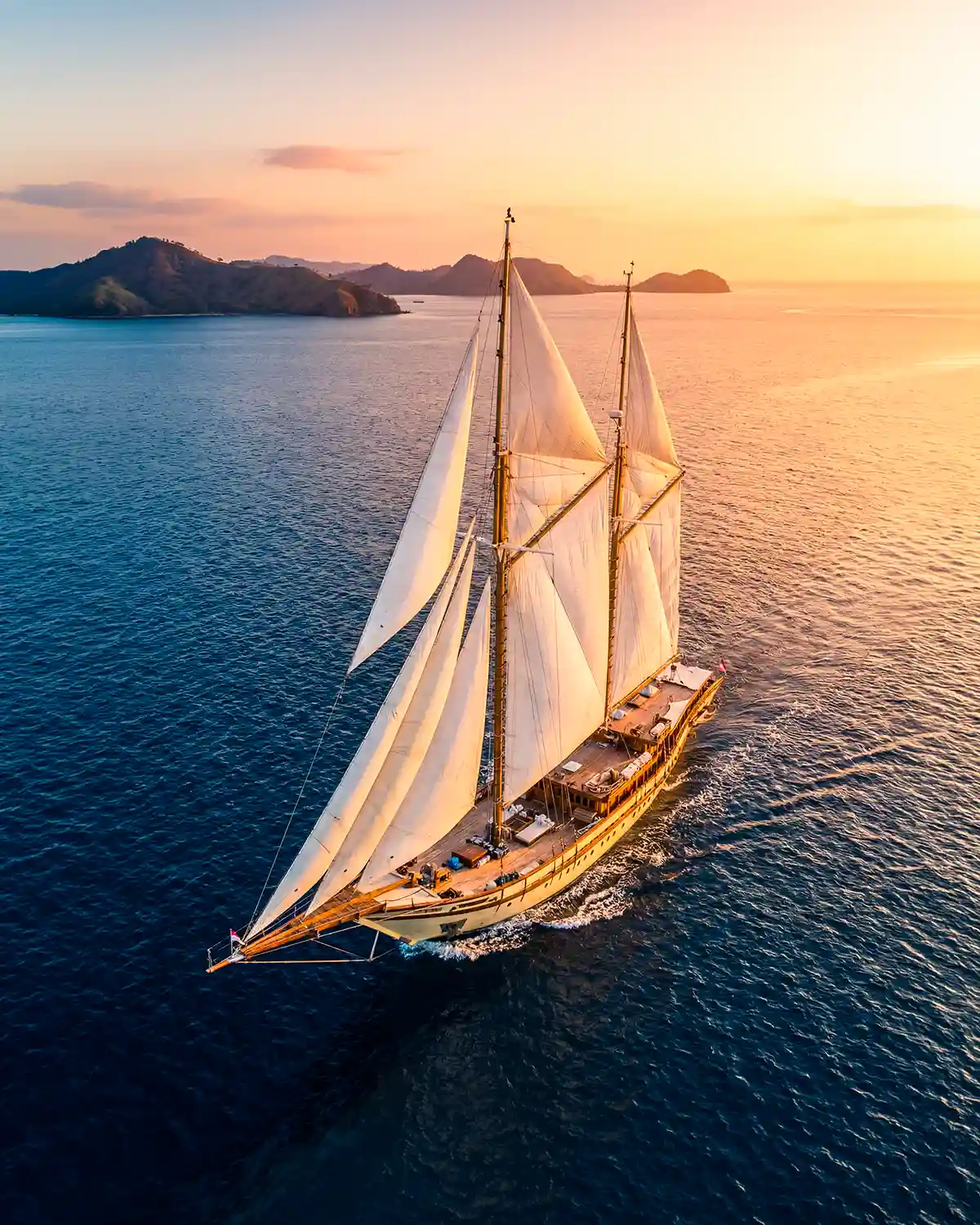
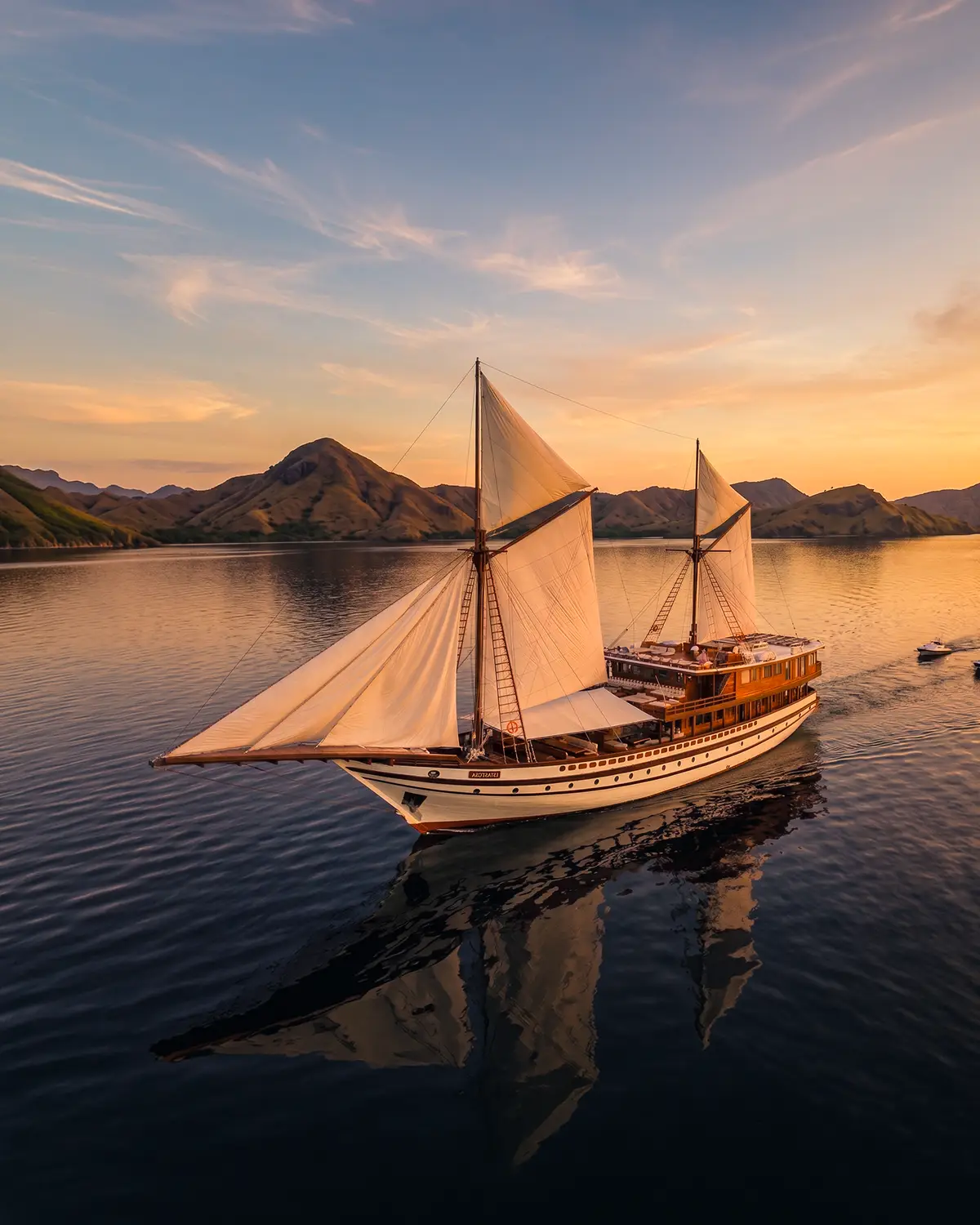
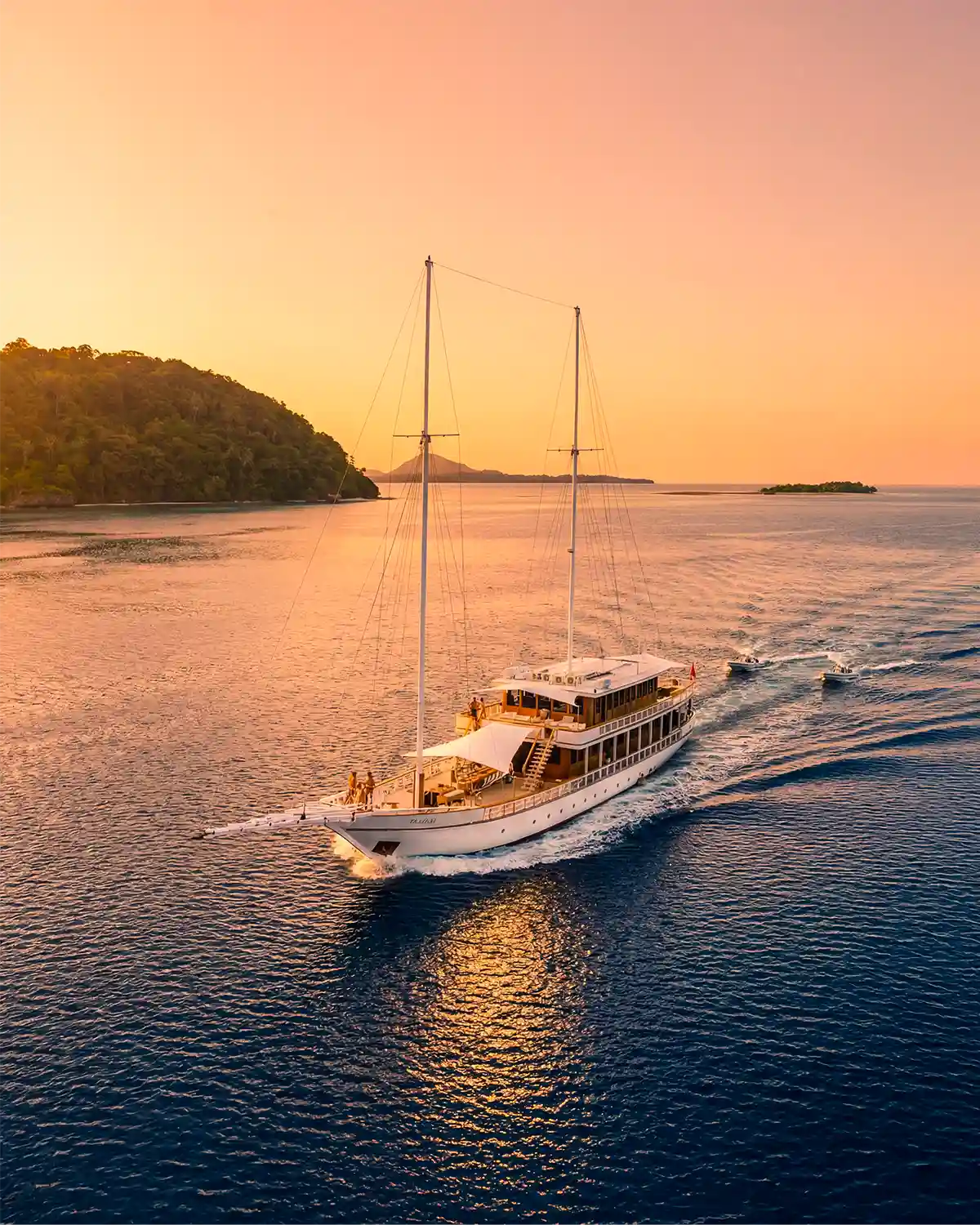
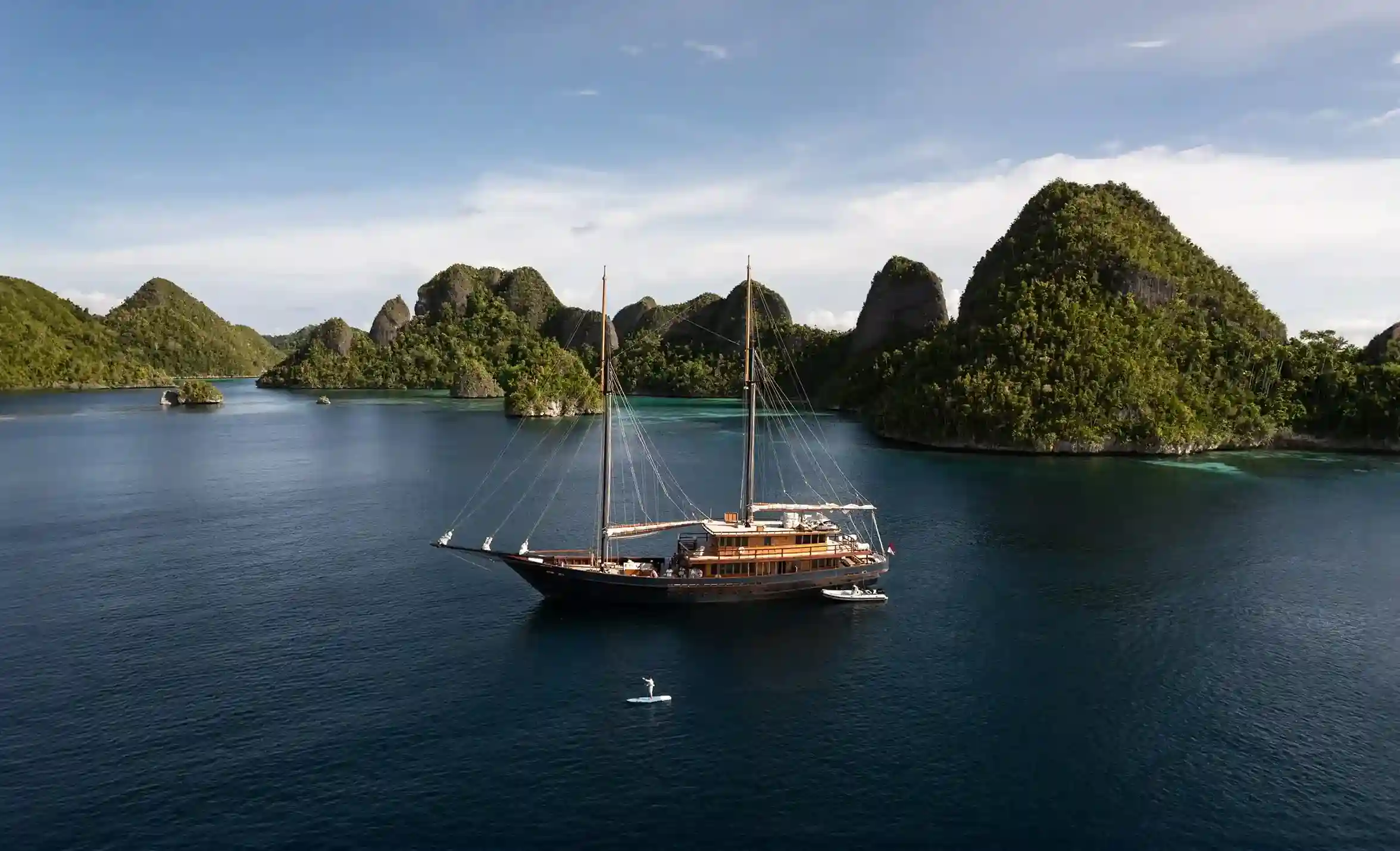
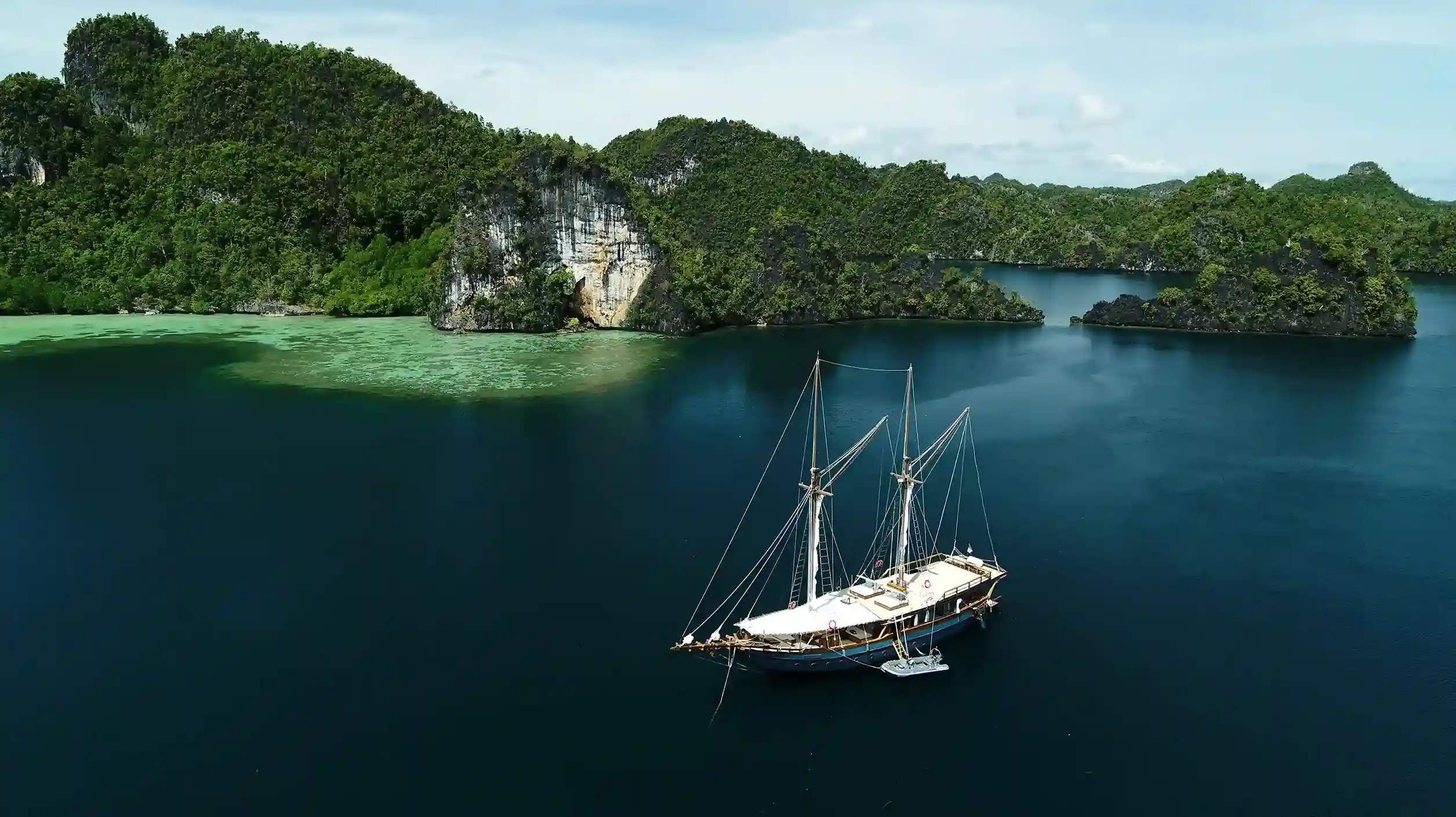
The term “raja ampat yachts” in 2026 refers primarily to privately chartered luxury vessels, typically phinisis or expedition yachts, operating within the Raja Ampat archipelago of West Papua, Indonesia. This definition has evolved from a broader category of liveaboards to emphasize bespoke, exclusive experiences. The shift reflects increased client demand for personalized itineraries and higher service standards.
Since 2024, the market has seen a clear bifurcation: traditional dive-focused liveaboards and the premium private yacht charter segment. Regulatory changes, such as the clarified Marine Park Entry Card fee structure implemented in late 2024, have standardized operational costs for all vessels [1]. This clarity has encouraged further investment in luxury-tier raja ampat yacht offerings. The average length of a private raja ampat yacht charter now stands at 9.5 nights, up from 8 nights in 2023, indicating a desire for deeper exploration of the region’s 1,500+ islands.
Real 2026 pricing — entry, mid, luxury
Pricing for raja ampat yachts in 2026 varies significantly based on vessel size, age, amenities, and duration, categorized broadly into entry, mid-range, and luxury tiers. These prices typically include the yacht, full crew, meals, non-alcoholic beverages, fuel for standard cruising, and dive guides. Exclusions commonly include international flights, alcoholic beverages, specialized activities, and the mandatory IDR 1,500,000 (approx. USD 95-100) Marine Park Entry Card per person [2].
Entry-level private charters, often on traditional phinisis between 25-35 meters, start at approximately USD 15,000-25,000 per week for up to 8 guests. Operators like PT. Wayag Expeditions offer vessels such as the SV Cendrawasih, a 28-meter phinisi accommodating 6 guests, at USD 18,000 per week during shoulder season. Mid-range options, typically 35-45 meter phinisis or smaller expedition yachts with enhanced amenities, command USD 30,000-60,000 per week for 8-12 guests. The MY Samudera, a 40-meter yacht managed by Oceanic Dreams Charters, is available for USD 45,000 per week for 10 guests, including two dedicated dive instructors and satellite internet access.
Luxury raja ampat yacht charters, encompassing vessels over 45 meters with bespoke interiors, multiple tenders, and extensive water sports equipment, range from USD 70,000 to over USD 150,000 per week. These high-end options, exemplified by the 55-meter MY Nusantara Explorer from IndoPacific Yachting, often cater to 10-14 guests and include premium wines, on-board massage therapists, and helicopter transfers from Sorong. The distinction between a private yacht charter and a cabin charter is significant; private charters offer complete exclusivity and itinerary flexibility, while cabin charters involve booking individual berths on a scheduled itinerary.
When the Indonesian high season ACTUALLY peaks
The Indonesian high season for raja ampat yachts officially spans from October to April, but operational data from 2025-2026 indicates distinct peak periods. The primary peak occurs from mid-December to mid-January, coinciding with Western holiday periods, and a secondary peak from mid-March to mid-April, driven by optimal weather and marine conditions. During these windows, sea conditions are generally calm with minimal rainfall, averaging 150mm per month, and underwater visibility frequently exceeds 25 meters [3].
The shoulder months of September, October, and May also present favorable conditions with fewer vessels. Data from the Raja Ampat Regency Tourism Office shows vessel movements peaking at an average of 80-90 unique raja ampat yacht departures per month during the December-January period, dropping to 40-50 in June-August [4]. Despite the official high season, the period from June to September, often considered the “off-season” due to slightly increased rainfall (averaging 200-250mm per month) and choppier seas, still offers viable charter opportunities, particularly for vessels equipped for rougher conditions. Many operators reposition their fleet to other Indonesian regions like Komodo during these months, reducing the number of available raja ampat yachts.
Who books raja ampat yachts and why
Clients booking raja ampat yachts are typically high-net-worth individuals and families seeking privacy, bespoke adventure, and unparalleled natural immersion. Analysis of 2025-2026 booking data reveals the top five client countries are the United States (30%), Australia (20%), Germany (15%), the United Kingdom (10%), and Singapore (8%). The average charter spend for these clients ranges from USD 45,000 to USD 90,000 per week, excluding international travel.
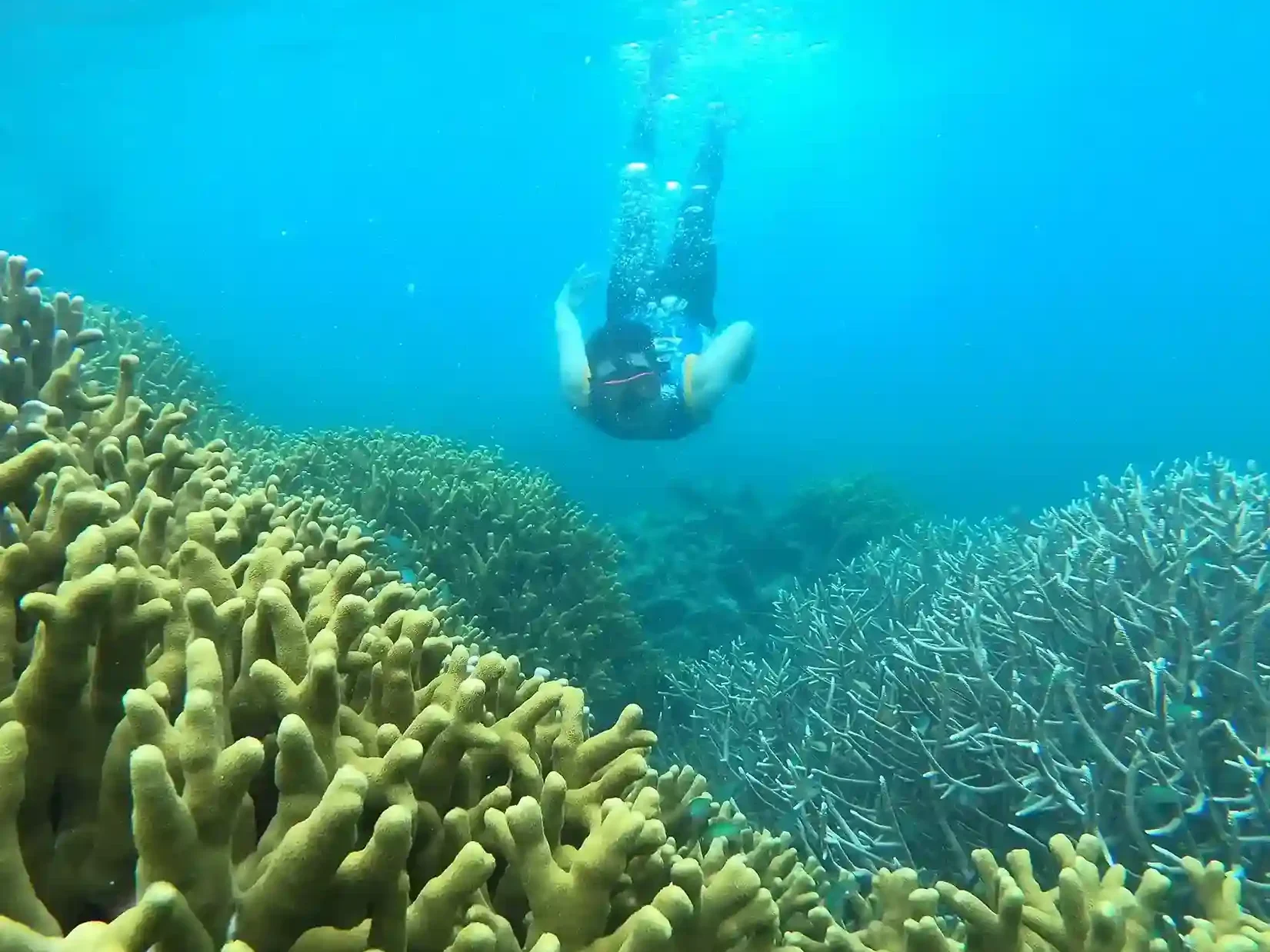
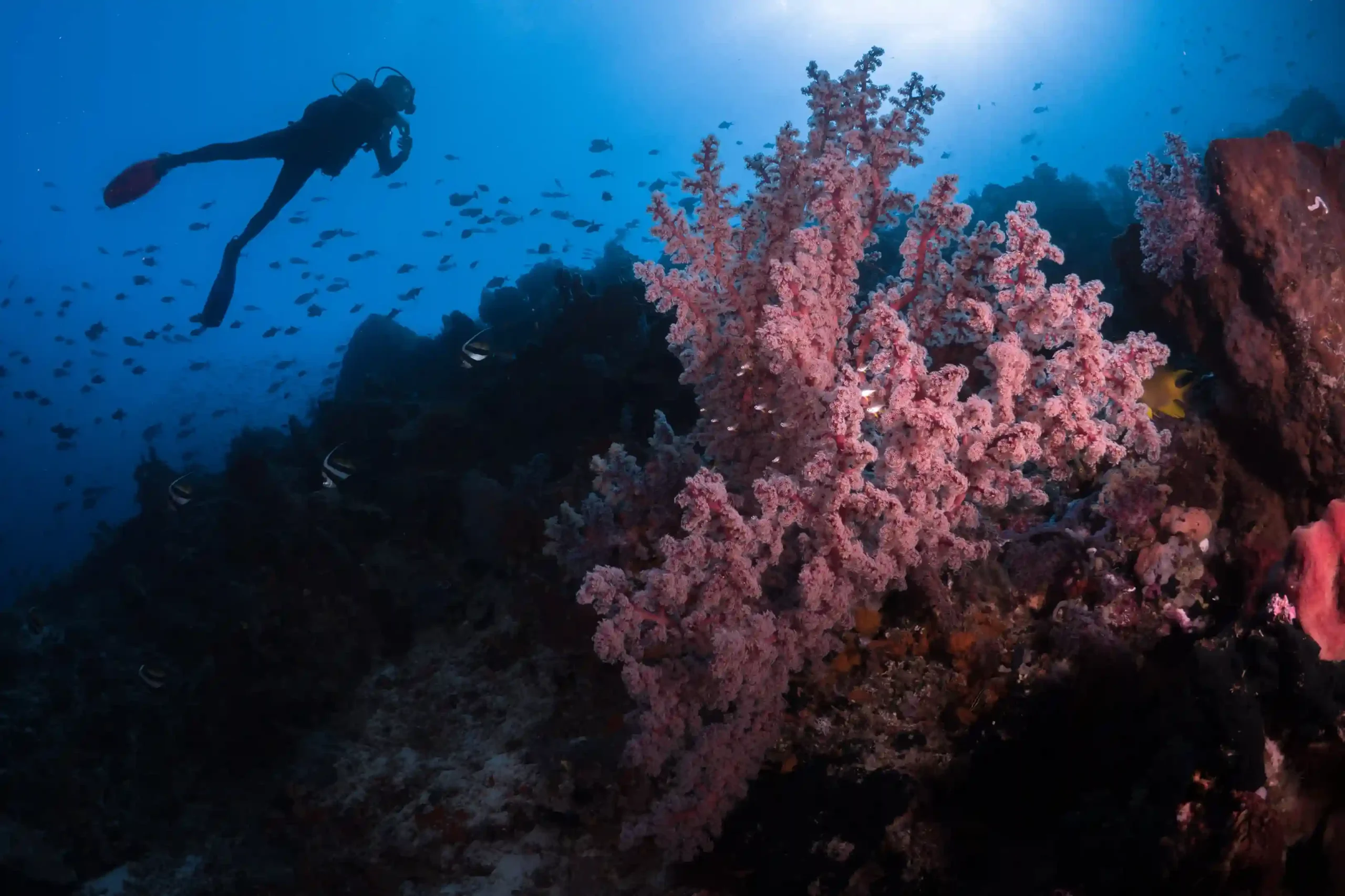
Decision triggers for chartering in raja ampat are multifaceted. Primary motivations include the region’s status as a global epicenter of marine biodiversity, offering diving and snorkeling experiences with over 1,500 fish species and 75% of the world’s coral species [5]. Photography, particularly underwater and landscape photography of the karst islets, is a significant draw, as highlighted by Dr. Maya Sari, a marine biologist and expedition leader with Conservation International Indonesia. Clients also prioritize the opportunity to visit remote local villages, engage in birdwatching for species like the Red Bird-of-Paradise, and kayak through pristine lagoons. The desire for a fully customized itinerary, away from crowds, is a consistent factor among those choosing a private raja ampat yacht.
The 2026 booking process — what experienced clients ask first
The 2026 booking process for raja ampat yachts is a structured multi-step procedure, with experienced clients often initiating discussions with specific, detailed inquiries. These clients prioritize vessel suitability, crew expertise, and itinerary flexibility, frequently asking about dive master certifications, satellite communication availability, and provisioning capabilities for dietary restrictions. Booking lead times average 12-18 months for peak season charters, and 6-9 months for shoulder season, reflecting the limited availability of premium vessels in raja ampat.
- Initial Inquiry & Needs Assessment: Clients contact brokers with preferred dates, number of guests, budget range, and primary interests (e.g., diving, photography, cultural visits). Experienced clients often provide a preliminary list of must-see locations like Wayag or Misool.
- Vessel Selection & Availability Check: Brokers present a curated list of suitable raja ampat yachts, confirming availability for the requested period. This stage includes detailed specifications, crew profiles, and recent guest reviews.
- Itinerary Proposal & Customization: A preliminary itinerary is drafted, considering client preferences, prevailing weather conditions, and permit requirements. Clients often request specific dive sites, village visits, or birdwatching excursions.
- Quote & Contract Review: A detailed quote outlining inclusions, exclusions, and payment terms is provided. The charter agreement, typically based on MYBA terms, is reviewed.
- Deposit Payment: A deposit, usually 25-50% of the charter fee, secures the booking. This payment is typically due within 7-14 days of contract signing.
- Preference Sheet & Logistics Planning: Clients complete a comprehensive preference sheet detailing dietary requirements, activity levels, medical considerations, and specific equipment needs. This is where practicalities like transfer arrangements from Sorong (SOQ) airport to Waisai, and the acquisition of Marine Park Entry Cards, are finalized.
- Final Payment & Embarkation: The remaining balance is typically due 60-90 days prior to embarkation. Final logistical details, including rendezvous points and safety briefings, are confirmed before the raja ampat yacht departs.
5 things competitor sites get wrong about raja ampat yachts
While top-ranking competitor sites like asiaglobalyachting.com, rainforestcruises.com, and yachtcharterfleet.com provide valuable information on raja ampat yachts, several critical nuances are often overlooked or oversimplified. These omissions can lead to client misconceptions about the operational realities and specific challenges of chartering in raja ampat. Addressing these gaps provides a more accurate and authoritative perspective for prospective clients.
- The Nuance of Marine Park Fees: Most sites mention the IDR 1,500,000 Marine Park Entry Card but rarely detail its 2024 re-codification or the distinction between the conservation and administrative components. Mr. Budi Santoso, head of BLUD UPTD Pengelolaan Kawasan Konservasi Perairan Raja Ampat, confirmed this updated structure to streamline local revenue allocation, a detail often missed.
- Logistical Realities Beyond Sorong: Competitors often state “fly to Sorong” as the primary logistical step. They rarely elaborate on the subsequent 2-hour ferry or private speedboat transfer to Waisai, the main hub, or the complexities of provisioning luxury items in remote areas. This impacts fresh produce availability and specific beverage requests.
- The Evolving Regulatory Landscape for Foreign-Flagged Vessels: The Indonesian government, through BKPM (Investment Coordinating Board) [6], has been incrementally tightening regulations on foreign-flagged yachts operating commercially in Indonesian waters. Many sites do not adequately address the increasing preference and advantages of Indonesian-flagged phinisis and expedition vessels for seamless operations.
- True Operational Costs and Crew Welfare: While inclusions are listed, the underlying operational costs, such as satellite internet subscriptions (often USD 500-1,000 per week for reliable service) or the intricacies of crew rotation and training in remote areas, are rarely covered. Ms. Fitriani Dewi, a yacht management consultant with Archipelago Maritime Services, notes that transparent cost breakdowns are crucial for client understanding.
- Impact of Tourism on Local Communities: Beyond mentioning “visiting local villages,” few sites delve into the specific initiatives or challenges faced by local communities due to increased yacht tourism. The balance between economic benefit and cultural preservation, often managed by local foundations in partnership with operators, is a complex topic that merits more detailed discussion. Dr. Johan Putra, a cultural anthropologist researching West Papua, stresses the importance of responsible engagement.
Frequently asked questions
-
What is the current Marine Park fee in Raja Ampat?
-
As of late 2024, foreign visitors must purchase a Marine Park Entry Card for IDR 1,500,000 (approximately USD 95-100) per person. This fee includes IDR 1,000,000 for marine conservation and an additional IDR 500,000 for cultural and administrative purposes, valid for 12 months from purchase.
-
How far in advance should I book a Raja Ampat yacht charter?
-
For peak season dates (mid-December to mid-January, mid-March to mid-April), booking 12-18 months in advance is advisable due to limited vessel availability. For shoulder seasons (May, September, October), 6-9 months prior is generally sufficient to secure your preferred raja ampat yacht.
-
What airports serve Raja Ampat for yacht charters?
-
The primary gateway is Sorong’s Domine Eduard Osok Airport (SOQ), with direct flights from Jakarta (CGK) and Makassar (UPG). From Sorong, guests typically take a 2-hour ferry or private speedboat to Waisai, the capital of Raja Ampat, where most raja ampat yachts are moored.
-
Are there specific dive certifications required for Raja Ampat?
-
While open water certification is sufficient for many sites, Advanced Open Water certification is highly recommended to access deeper, more current-exposed dive locations in raja ampat. Many raja ampat yachts have onboard dive instructors who can conduct courses.
-
What is the internet connectivity like in Raja Ampat?
-
Internet connectivity in raja ampat is generally limited and unreliable in remote areas. Most luxury raja ampat yachts are equipped with satellite internet systems, offering varying speeds and data allowances, often at an additional cost. Local SIM cards provide patchy 4G in Waisai and some populated islands.
For detailed inquiries regarding raja ampat yachts, including bespoke itinerary planning and vessel availability, connect directly with our team. Contact Ms. Sari Rahayu, our Senior Charter Specialist, via WhatsApp at +62 812 3456 7890 or email sari.rahayu@rajaampatyachts.com. We provide current market intelligence and operational insights for your expedition to the Four Kings.